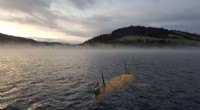
1. Evaporation: Water evaporates from the surface of oceans, lakes, rivers, and even the ground. This process transforms liquid water into water vapor in the atmosphere.
2. Condensation: As the water vapor rises and cools, it condenses into tiny water droplets, forming clouds.
3. Precipitation: The water droplets in clouds grow larger until they become heavy enough to fall back to Earth as precipitation, including rain, snow, sleet, or hail.
4. Runoff: Some precipitation flows over the land as runoff, collecting in streams, rivers, and eventually reaching lakes, oceans, or groundwater.
5. Infiltration: Other precipitation soaks into the ground, replenishing groundwater supplies.
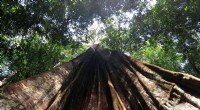
6. Transpiration: Plants absorb water from the ground and release it back into the atmosphere through transpiration, where water vapor escapes from leaves.
7. Sublimation: In some cases, ice and snow can directly change into water vapor without melting (sublimation), also contributing to the cycle.
Here's how these steps contribute to recycling water:
* Water constantly circulates between the atmosphere, land, and water bodies.
* No water is truly "lost" - it just changes forms and locations.
* The cycle ensures a continuous supply of freshwater for living organisms.
* This cycle is powered by solar energy.
Key points to remember:
* The hydrologic cycle is a closed system - water is constantly recycled.
* The cycle can be affected by human activities such as deforestation, urbanization, and pollution.
* Understanding the water cycle is crucial for managing water resources and protecting ecosystems.