Human Activities:
* Deforestation: Clearing forests for agriculture, logging, and development destroys habitats and contributes to climate change.
* Pollution: Air, water, and soil pollution from industrial waste, vehicle emissions, and agricultural runoff harms ecosystems and wildlife.
* Overfishing and Overhunting: Unsustainable fishing and hunting practices can deplete populations and disrupt food webs.
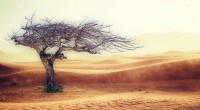
* Climate Change: Global warming causes extreme weather events, rising sea levels, and shifts in ecosystems, threatening biodiversity.
* Habitat Loss and Fragmentation: Development, agriculture, and infrastructure projects destroy and isolate natural habitats, limiting species' ability to thrive.
* Invasive Species: Introduced species can outcompete native organisms, disrupt ecosystems, and cause widespread damage.
* Mining and Drilling: Extracting natural resources can pollute water sources, damage landscapes, and disrupt habitats.
Natural Disasters:
* Wildfires: While natural, some wildfires are exacerbated by human activities like climate change and poor forest management.
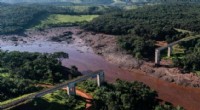
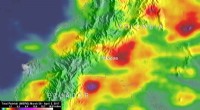
* Floods: Heavy rainfall can cause flooding, damaging ecosystems and displacing wildlife.
* Volcanic Eruptions: Volcanic activity can release harmful gases, ash, and lava that can destroy surrounding environments.
* Earthquakes: Earthquakes can cause landslides, tsunamis, and other disasters that impact ecosystems.
It's important to remember that nature is interconnected:
* The destruction of one ecosystem can have cascading effects on others.
* The loss of biodiversity threatens the balance of entire ecosystems.
What can we do?
* Reduce our consumption and waste.
* Support sustainable businesses and practices.
* Advocate for environmental protection and conservation.
* Educate ourselves and others about the importance of nature.
* Make conscious choices in our daily lives to minimize our impact.
By understanding the threats to nature and taking action, we can help protect our planet for future generations.