In the Depths of the Earth:
* Deep Sea Hydrothermal Vents: These scorching hot, chemically-rich vents support unique ecosystems, including microbes that thrive in the extreme conditions.
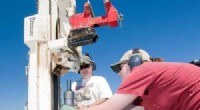
* Underground Mines: Microbes can be found deep beneath the surface, surviving on minerals and even radioactive waste.
* Subglacial Lakes: Hidden beneath glaciers, these lakes are home to microbes that can survive in extreme cold and darkness.
Up in the Air:
* High Altitude Clouds: Microbes can hitch a ride on dust particles and travel high into the atmosphere, playing a role in cloud formation.
* The Stratosphere: Some resilient microbes have been found in the stratosphere, suggesting they can survive even in the thin air and harsh conditions.
In the Human Body:
* The Stomach: While we often think of the stomach as acidic, there are actually microbes that can survive and even thrive in this environment.
* The Brain: Yes, even the brain can be home to microbes, which are thought to play a role in neurodevelopment and function.
* The Placenta: While previously thought to be sterile, recent research has shown the placenta to be populated by a unique microbiome.
Other Unusual Places:
* Salt Flats: Microbes can tolerate incredibly high salt concentrations, allowing them to thrive in places like salt flats.
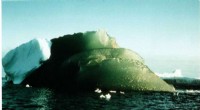
* The Arctic and Antarctic: These cold, icy regions are home to unique microbial communities that can survive in the extreme conditions.
* The International Space Station: Microbes have been found on the ISS, highlighting the potential for microbial life to survive and even evolve in space.
These are just a few examples of the many unusual places where microbes can be found. Their resilience and adaptability are truly remarkable, and they play a vital role in the Earth's ecosystems.