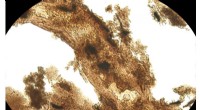
* Mosses: These are small, soft plants that grow in damp, shady places. They have rhizoids instead of roots, which are tiny, hair-like structures that anchor the plant to the ground and absorb water.
* Liverworts: These are flat, leafy plants that grow in moist environments. They also have rhizoids for anchoring and absorption.
* Hornworts: These are small, horn-shaped plants that grow in moist soil or on rocks. They have rhizoids and a structure called a foot that anchors them to the substrate.
Why don't these plants have true roots?
* Lack of a vascular system: Non-vascular plants lack a specialized system of tissues (xylem and phloem) that transport water and nutrients throughout the plant. This limits their ability to grow tall and reach for sunlight, so they tend to be small and grow in moist environments.
* Limited ability to absorb water and nutrients: Rhizoids are less efficient at absorbing water and nutrients than true roots. This is why these plants are typically found in moist environments where they can easily absorb water directly from the surrounding air or soil.
Note: There are a few other exceptions to this rule, such as the aquatic plants that lack roots entirely and obtain nutrients directly from the water.