Factors Contributing to High Rainfall:
* Proximity to oceans and seas: Warm, moist air rises from oceans, cools, and condenses, leading to precipitation. Coastal regions and islands often receive high rainfall.
* Mountain ranges: Mountains act as barriers, forcing air to rise, cool, and release moisture as rain on the windward side (the side facing the wind). This phenomenon is called orographic rainfall.
* Tropical convergence zones (ITCZ): These areas near the equator experience rising air due to the intense heat, resulting in heavy rainfall.
* Convective thunderstorms: The rapid heating of air near the ground causes it to rise quickly, cool, and condense, leading to thunderstorms and heavy showers.
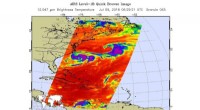
* Hurricanes and cyclones: These intense storms draw moisture from the ocean, leading to torrential rainfall.
Factors Contributing to Low Rainfall:
* Distance from oceans: Areas far from oceans receive less moisture, leading to low rainfall.
* Mountain ranges: The leeward side of mountain ranges (the side sheltered from the wind) receives very little rainfall as the air has already released its moisture on the windward side. This is known as a rain shadow.
* High-pressure systems: These systems are characterized by sinking air, which inhibits cloud formation and rainfall.
* Cold ocean currents: These currents cool the air above them, reducing the capacity for moisture to condense and leading to dry climates.
* Desert conditions: Deserts often form in regions where dry air descends from the atmosphere, leading to low rainfall.
Other Factors:
* Latitude: Rainfall generally decreases as you move away from the equator, as the amount of solar energy reaching the Earth's surface diminishes.
* Altitude: Higher altitudes tend to experience lower temperatures, resulting in lower rainfall.
* Human activities: Deforestation, urbanization, and climate change can alter rainfall patterns, often leading to increased drought in some areas.
It's important to note that:
* These factors are not isolated, but interact in complex ways.
* Rainfall patterns are constantly changing and can vary significantly even within a single region.
* Understanding these influences is crucial for managing water resources, mitigating drought, and understanding the impacts of climate change.