Here's why:
* Large Patterns: These winds are part of global circulation patterns, driven by uneven solar heating of the Earth.
* Same Direction: They generally blow consistently from a specific direction, like the trade winds blowing from east to west in the tropics.
* Planetary: The term "planetary" reflects their global scale and influence on weather and climate around the world.
Some examples of planetary winds include:
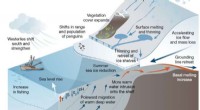
* Trade Winds: Blow from east to west near the equator.
* Westerlies: Blow from west to east in the middle latitudes.
* Polar Easterlies: Blow from east to west near the poles.
These wind patterns are crucial for understanding global weather patterns and are essential for air and ocean currents.