* Climate varies within regions: Even within a general climate zone, precipitation can change significantly based on altitude, proximity to water, and other factors.
* "Least" is relative: What's considered "low" precipitation depends on the context. A desert might get less rain than a temperate rainforest, but it still might get more rain than some high-altitude mountain areas.
However, we can consider some of the driest climate types in the US:
1. Desert Climate (BW): This is the most obvious choice. Areas like the Mojave Desert in California, the Sonoran Desert in Arizona, and the Great Basin Desert in Nevada receive very low precipitation, typically less than 10 inches per year.
2. Semi-arid Climate (BS): These areas are transition zones between deserts and more humid climates. They get slightly more precipitation than true deserts, but still experience dry conditions. Examples include parts of the Great Plains and the High Plains.
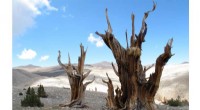
3. High-Altitude Climate (H): While not a formal climate classification, high elevations often experience very low precipitation due to the cold temperatures that limit moisture capacity. The Rocky Mountains, Sierra Nevada, and the Cascade Range have many areas that receive less than 15 inches of rain annually.
Important Note: It's important to understand that even within these climate types, there's variation. Some areas within deserts or high mountain regions may receive higher precipitation than others.