Here's the breakdown:
El Niño:
* Characterized by: Warmer than average sea surface temperatures in the central and eastern Pacific Ocean.
* Impacts:
* Increased rainfall: in the central and eastern Pacific Ocean and parts of South America.
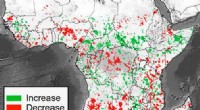
* Drought: in Indonesia, Australia, and parts of Africa.
* Changes in weather patterns: Globally, including more frequent and intense storms.
* Impacts on marine life: Disrupting fish populations and affecting coral reefs.
La Niña:
* Characterized by: Cooler than average sea surface temperatures in the central and eastern Pacific Ocean.
* Impacts:
* Increased rainfall: in the western Pacific Ocean, parts of Asia, and eastern Africa.
* Drought: in the central and eastern Pacific Ocean and parts of South America.
* Changes in weather patterns: Globally, including colder winters in North America.
* Impacts on marine life: Beneficial to some fish populations, but can harm coral reefs.
Key differences:
* Sea surface temperatures: El Niño is associated with warmer waters, while La Niña is associated with cooler waters.
* Rainfall patterns: El Niño generally brings increased rainfall to the eastern Pacific, while La Niña increases rainfall in the western Pacific.
* Weather patterns: El Niño and La Niña can lead to different weather patterns globally, impacting different regions in different ways.
In summary: El Niño and La Niña are two opposite phases of the ENSO, which significantly impact global weather patterns. It's important to note that these are just general trends, and the actual impacts of each phase can vary depending on other factors.