Here are some common examples of pioneer species:
1. Lichens: These organisms are a symbiotic relationship between a fungus and an algae. They can grow on bare rock and break it down, creating a thin layer of soil for other plants to grow in.
2. Mosses: These small, non-vascular plants can also grow on bare rock and can tolerate harsh conditions like drought and cold.
3. Annual Grasses: These grasses have a short life cycle and can produce many seeds quickly. They help to stabilize the soil and provide nutrients for other plants.
4. Annual Wildflowers: These flowers also have a short life cycle and can quickly produce many seeds. They help to add diversity to the ecosystem.
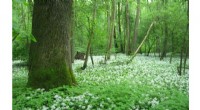
5. Ferns: These plants can thrive in moist, shady areas and can tolerate some disturbance.
6. Certain trees: Some trees like willows and cottonwoods are pioneer species that can tolerate flooding and disturbed soil.
Key characteristics of pioneer species:
* Fast-growing: They quickly colonize new areas.
* Tolerant of harsh conditions: They can survive in poor soil, lack of water, and extreme temperatures.
* Good seed dispersers: They produce many seeds that are easily spread by wind or animals.
* Help to create soil: They break down rock and contribute organic matter to the soil.
As pioneer species grow, they improve the soil quality and create conditions that allow other plants to thrive. This process is known as ecological succession, and it ultimately leads to a more diverse and stable ecosystem.