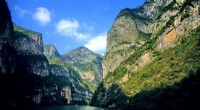
1. Strong Currents:
* Erosion: The forceful water flow carries away loose sediment and soil, making it difficult for plants to establish roots.
* Water Velocity: The fast-moving water makes it difficult for plants to stay anchored and can even tear them from the streambed.
2. Limited Nutrients:
* Rapid Runoff: The water flows quickly, preventing nutrient accumulation.
* Cold Temperatures: The cold mountain water slows down decomposition, leading to a lower availability of nutrients.
3. Lack of Sunlight:
* Canopy Cover: Mountain streams are often shaded by trees and other vegetation, limiting the amount of sunlight reaching the water surface.
* Turbidity: The fast-moving water can stir up sediments, creating turbidity and further reducing light penetration.
4. Fluctuating Water Levels:
* Seasonal Flow Variations: Mountain streams can experience significant fluctuations in water levels, especially during spring thaws or heavy rainfall. These changes can disrupt plant growth and survival.
* Flash Floods: Sudden, intense storms can cause flash floods, which can wash away entire plant communities.
5. Limited Growing Season:
* Cold Temperatures: The high elevation of mountain streams leads to a shorter growing season, limiting the time plants have to grow and reproduce.
Adaptation of Stream Plants:
Despite these challenges, some plants have adapted to survive in these harsh conditions:
* Strong Roots: Plants have developed strong, anchoring roots to resist the force of the current.
* Streamlined Shapes: Plants have evolved to be streamlined and flexible, reducing drag from the water flow.
* Fast Growth Rates: Plants have a fast growth rate to maximize their limited growing season.
Conclusion:
The combination of strong currents, limited nutrients, lack of sunlight, fluctuating water levels, and a short growing season creates a challenging environment for plant life in swift-flowing mountain streams. Only specialized plants have adapted to thrive in these conditions.