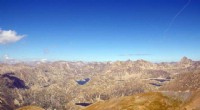
This concept describes the layering of different plant and animal communities on mountains and hillsides, with each layer being adapted to the unique environmental conditions at that elevation. Factors like temperature, precipitation, and sunlight intensity vary with altitude, leading to distinct zones.
Here are some examples of vertical zones found in mountainous regions:
* Montane Zone: Situated below the treeline, this zone is characterized by forests with taller trees, cooler temperatures, and higher rainfall.
* Subalpine Zone: Found above the montane zone, this zone features shorter trees, more open vegetation, and colder temperatures.
* Alpine Zone: Located above the treeline, this zone experiences harsh conditions with low temperatures, strong winds, and sparse vegetation.
Understanding altitudinal zonation is essential for comprehending the distribution and interactions of organisms within mountainous ecosystems.