Climate Change:
* Increased Greenhouse Gases: Plants absorb carbon dioxide (CO2) during photosynthesis, acting as a vital carbon sink. Reduced vegetation would lead to a buildup of CO2 in the atmosphere, exacerbating global warming.
* Altered Precipitation Patterns: Plants release water vapor through transpiration, contributing to cloud formation and rainfall. Reduced vegetation would disrupt these patterns, leading to more extreme weather events like droughts and floods.
* Increased Temperature: Plants provide shade and cool the environment through evapotranspiration. Without them, Earth's surface would absorb more sunlight, leading to higher temperatures.
Biodiversity Loss:
* Habitat Loss: Plants provide essential habitats for countless species of animals, insects, and microorganisms. Their decline would lead to widespread habitat loss and species extinction.
* Disruption of Food Chains: Many animals rely on plants for food. Reduced vegetation would disrupt food chains, impacting populations of herbivores and predators.
Soil Degradation:
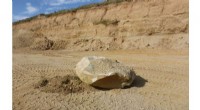
* Erosion: Plant roots hold soil in place, preventing erosion by wind and water. Reduced vegetation would expose soil to erosion, leading to land degradation.
* Reduced Fertility: Plant roots also contribute to soil fertility by adding organic matter. Decreased vegetation would reduce soil fertility, making it harder for crops to grow.
Human Impacts:
* Food Shortages: Plants are the foundation of most food chains. Reduced vegetation would lead to food shortages and potential famines.
* Water Scarcity: Plants play a crucial role in the water cycle. Reduced vegetation would exacerbate water scarcity and increase competition for limited resources.
* Economic Losses: The agricultural, forestry, and tourism industries rely heavily on vegetation. Their decline would have significant economic consequences.
Other Consequences:
* Increased Air Pollution: Plants filter air pollutants. Reduced vegetation would lead to poorer air quality, impacting human health.
* Reduced Oxygen Production: Plants release oxygen as a byproduct of photosynthesis. Decreased vegetation would reduce oxygen production, potentially impacting the planet's atmosphere.
Conclusion:
Decreased vegetation would have severe consequences, cascading through ecosystems and impacting all life on Earth. It's crucial to understand the vital role of plants in maintaining a healthy planet and to take steps to protect and conserve them.