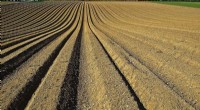
* Survival depended on nature: Agriculture was the backbone of early Chinese society. Their crops, livestock, and ultimately, their survival, depended entirely on the weather, the cycles of the seasons, and the fertility of the land. Unpredictable floods, droughts, and storms were seen as manifestations of powerful forces beyond their control.
* Respect for the unknown: Ancient Chinese people lacked the scientific understanding of natural phenomena. They attributed natural events like earthquakes, eclipses, and thunder to the actions of powerful spirits or deities. Worshipping these forces was a way of appeasing them and ensuring their favor.
* Harmony with nature: Early Chinese philosophy emphasized the importance of balance and harmony in the universe. This concept, known as Daoism, promoted a way of life in accordance with the natural order. Worshiping the forces of nature was a way to connect with and maintain this harmony.
* Ancestor worship: Chinese ancestors were believed to have a special connection to the natural world. They were seen as intermediaries between the living and the forces of nature. Veneration of ancestors, often combined with rituals and offerings to natural deities, reinforced the belief in the interconnectedness of life, nature, and the spiritual realm.
Examples of worshipped natural forces:
* Heaven (Tian): The overarching force of the universe, representing the sky and cosmic order.
* Earth (Di): The source of life and fertility, representing the land and its bounty.
* Mountains: Seen as the homes of deities and spirits, often associated with particular aspects of nature or human activity.
* Rivers: Life-giving sources of water, linked to fertility and prosperity.
* Sun, Moon, and Stars: Celestial bodies that controlled the seasons and influenced human affairs.
It's important to remember that these beliefs weren't monolithic. Different communities and periods in ancient Chinese history had their own unique beliefs and practices. However, the fundamental idea of respecting and worshipping the forces of nature was a common thread throughout early Chinese culture.