1. Observing Natural Phenomena:
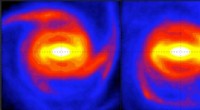
* Astronomy: Astronomers observe the stars, planets, and galaxies through telescopes. These observations allow them to map the universe, study the life cycles of stars, and explore the potential for other planets to harbor life.
* Ecology: Ecologists observe ecosystems to understand how different species interact and how populations change over time. This can help them develop strategies for conservation and understand the effects of climate change.
* Meteorology: Meteorologists observe weather patterns using instruments like radar, satellites, and weather stations. This helps them predict storms, forecast weather conditions, and understand climate change.
2. Controlled Experiments:
* Biology: Biologists design experiments to study the effects of different variables on living organisms. For example, they might study the effects of a new drug on a group of lab rats, carefully observing their behavior and health.
* Chemistry: Chemists observe the reactions between different substances in a controlled environment. This allows them to understand the properties of matter and develop new materials and technologies.
* Physics: Physicists use experiments to test theories about the nature of matter and energy. For example, they might study the motion of particles in a particle accelerator to test theories about fundamental forces.
3. Gathering Data:
* Geology: Geologists observe rock formations, fossils, and other geological features to understand Earth's history and processes. They gather data through field studies, laboratory analysis, and even satellite imagery.
* Oceanography: Oceanographers observe the ocean's currents, temperature, salinity, and marine life using instruments and submersibles. This data helps them understand the ocean's role in the global climate system and the impact of human activities on marine ecosystems.
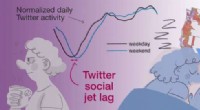
* Social Sciences: Social scientists observe human behavior and interactions through surveys, interviews, and ethnographic studies. They use this data to understand social trends, cultural differences, and the impact of social policies.
Key Points:
* Observation is the foundation of scientific discovery. Scientists make careful and systematic observations, using their senses and instruments to gather information.
* Observations are used to form hypotheses and test theories. Scientists use their observations to develop explanations for what they see, and then design experiments to test those explanations.
* Scientific knowledge is constantly evolving. As scientists make new observations and refine their theories, our understanding of the world continues to grow.
Let me know if you'd like to explore any of these examples in more detail!