1. Emergent Layer: This is the highest layer, consisting of a few very tall trees that rise above the canopy. These trees are exposed to full sunlight, strong winds, and extreme temperatures. They have thick, leathery leaves and deep roots to withstand the harsh conditions. Animals like eagles, bats, and monkeys live in this layer.
2. Canopy Layer: This is the densest layer, forming a continuous, leafy roof over the forest. It receives the most sunlight and is home to the majority of rainforest life. The canopy is teeming with insects, birds, reptiles, and mammals, including sloths, tree frogs, and snakes.
3. Understory Layer: This layer lies beneath the canopy, receiving only filtered sunlight. It is home to plants adapted to low light conditions, such as ferns, shrubs, and saplings. Animals in this layer include smaller mammals, amphibians, and reptiles that are well adapted to the dimmer conditions.
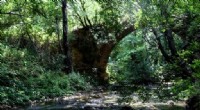
4. Forest Floor Layer: This is the lowest layer, receiving very little sunlight. The forest floor is covered in decaying leaves and organic matter, creating a rich, humid environment. This layer is home to decomposers like fungi and bacteria, as well as small animals like insects, earthworms, and snakes.
It's important to note that these layers are not always distinct and can overlap. The specific features of each layer can also vary depending on the specific rainforest location.