Natural Changes:
* Climate Change: This involves long-term shifts in average weather patterns, such as temperature, rainfall, and wind patterns. This can cause droughts, floods, extreme heat, and other events that impact ecosystems.
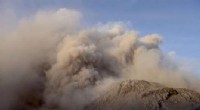
* Natural Disasters: Hurricanes, earthquakes, wildfires, and volcanic eruptions can dramatically alter landscapes, disrupt ecosystems, and impact human populations.
* Seasonal Variations: The changing seasons bring about shifts in temperature, precipitation, and daylight hours, influencing plant growth, animal behavior, and resource availability.
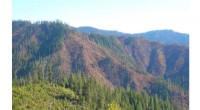
* Ecological Succession: This is the gradual process of change in an ecosystem over time, as one community of organisms is replaced by another. This can be triggered by events like wildfires or landslides.
* Migration Patterns: Animals may migrate in response to changes in food availability, breeding conditions, or weather patterns.
Human-Induced Changes:
* Pollution: Air, water, and soil pollution can degrade habitats, harm wildlife, and impact human health.
* Deforestation: Clearing forests for agriculture, logging, or development destroys habitats, alters water cycles, and releases greenhouse gases.
* Habitat Fragmentation: Breaking up large areas of habitat into smaller, isolated patches can reduce biodiversity and make species more vulnerable to extinction.
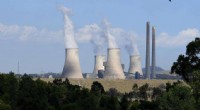
* Climate Change (anthropogenic): Human activities, particularly the burning of fossil fuels, release greenhouse gases that trap heat in the atmosphere, causing global warming and its associated changes.
* Invasive Species: Non-native species introduced to new environments can outcompete native species, disrupt food webs, and alter ecosystems.
* Overexploitation: Overfishing, overhunting, and overharvesting of resources can deplete populations and disrupt ecosystems.
Consequences of Environmental Change:
* Loss of Biodiversity: Changes in environmental conditions can lead to species extinctions, reduced genetic diversity, and disruptions in ecological relationships.
* Ecosystem Disruption: Altered habitats, food webs, and resource availability can cause imbalances and make ecosystems more susceptible to further disturbances.
* Human Health Impacts: Pollution, climate change, and ecosystem degradation can have negative consequences for human health, including respiratory illnesses, food security issues, and increased risk of disease.
* Economic Impacts: Environmental changes can impact agriculture, tourism, fishing, and other industries, leading to economic losses and social disruption.
Understanding the causes and consequences of environmental change is crucial for developing strategies to mitigate its impacts and promote sustainability.