Human activities are having a profound and lasting impact on the Earth's ecosystems and the animals that inhabit them. Here are some of the key long-term effects:
Climate Change:
* Increased temperatures: This leads to shifts in species distributions, changes in breeding patterns, and even extinctions. Some species may struggle to adapt to the changing climate, while others may thrive in new conditions.
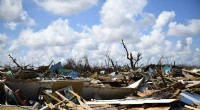
* Extreme weather events: More frequent and intense hurricanes, floods, droughts, and wildfires disrupt ecosystems, causing habitat loss, displacement, and death.
* Ocean acidification: This is caused by the absorption of carbon dioxide into the ocean, which makes it harder for marine organisms like coral reefs and shellfish to build their skeletons.
Habitat Loss and Fragmentation:
* Deforestation: Clearing forests for agriculture, logging, and urbanization destroys vital habitats for countless species.
* Urbanization: Growing cities and infrastructure consume natural areas, reducing available habitat and leading to fragmentation.
* Pollution: Pollution from agriculture, industry, and households contaminates water and soil, impacting ecosystems and animal health.
Overexploitation and Invasive Species:
* Overfishing: Depleting fish populations can disrupt marine ecosystems and cause cascading effects throughout the food web.
* Hunting and poaching: Illegal and unsustainable hunting and poaching can threaten populations of vulnerable species.
* Invasive species: Introduced species can outcompete native organisms, disrupt food webs, and alter ecosystem functions.
Long-Term Impacts:
* Biodiversity loss: Species extinctions and declining populations are eroding the diversity of life on Earth, which is crucial for ecosystem stability and resilience.
* Loss of ecosystem services: Healthy ecosystems provide vital services like clean air and water, food production, and climate regulation. Degradation of these services can have significant economic and social consequences.
* Disease emergence: Disrupted ecosystems can increase the risk of zoonotic diseases (those that can spread from animals to humans).
* Reduce greenhouse gas emissions: Transition to renewable energy sources, improve energy efficiency, and reduce deforestation.
* Protect and restore habitats: Support efforts to conserve natural areas, reforest degraded land, and create wildlife corridors.
* Reduce pollution: Implement stricter regulations on industrial emissions, promote sustainable farming practices, and minimize waste.
* Support sustainable consumption: Choose products that are sustainably sourced and reduce your overall consumption.
* Advocate for conservation policies: Support legislation and policies that protect biodiversity and promote sustainable practices.
* Educate others: Spread awareness about the importance of biodiversity and the impacts of human activities.
Individual actions can make a difference. By working together, we can create a more sustainable future for both humans and the natural world.