Common characteristics:
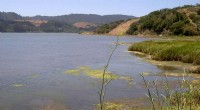
* Waterlogged soils: Wetlands are always saturated or flooded for at least part of the year.
* Unique plant life: They have adapted to living in waterlogged conditions, often with shallow roots and specialized tissues for oxygen uptake. This results in characteristic vegetation like cattails, reeds, rushes, and cypress trees.
* Diverse wildlife: Wetlands are havens for a variety of animals, including birds, amphibians, reptiles, fish, mammals, and insects.
Types of Wetlands and their Appearance:
1. Marshes:
* Appearance: Open, grassy areas with shallow water and emergent vegetation like cattails, reeds, and sedges.
* Location: Found in areas with slow-moving water, like along rivers and lakes.
2. Swamps:
* Appearance: Wooded areas with trees adapted to waterlogged conditions, such as cypress, tupelo, and mangrove trees.
* Location: Can be found in low-lying areas near rivers, lakes, and coastal areas.
3. Bogs:
* Appearance: Acidic, peat-filled areas with sphagnum moss and other specialized plants adapted to low nutrient conditions.
* Location: Often found in cool, northern climates.
4. Fens:
* Appearance: Similar to bogs, but with a higher water flow and more nutrients, leading to a greater diversity of plants.
* Location: Can be found in various regions but are often associated with limestone bedrock.
5. Tidal Marshes:
* Appearance: Salt-tolerant grasses and shrubs, influenced by tides and salinity levels.
* Location: Found along coastlines, particularly in areas with a large tidal range.
6. Mangrove Swamps:
* Appearance: Dense forests of salt-tolerant mangrove trees, often found along tropical and subtropical coastlines.
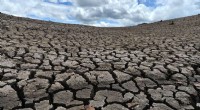
Wetlands can change with the seasons. Some may be dry during parts of the year, while others remain flooded year-round. They can also be impacted by human activities like development and pollution.
Remember: Wetlands are vital ecosystems that provide numerous benefits, including flood control, water filtration, wildlife habitat, and recreation opportunities.