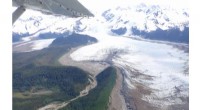
1. Permafrost: The tundra is characterized by permafrost, a layer of permanently frozen ground. This makes it difficult for plants to access water deep underground.
2. Short Growing Season: The tundra has a very short growing season, typically lasting only a few months. During this time, the ground thaws out, creating a thin layer of soil that can hold water.
3. Shallow Roots: Tundra plants have developed shallow root systems, allowing them to absorb water quickly from the thawed soil.
4. Adaptations for Water Retention: Some tundra plants have evolved special adaptations to help them conserve water:
* Small leaves: This reduces surface area for water loss through transpiration.
* Thick, waxy leaves: This helps to prevent water evaporation.
* Hairy leaves: This traps a layer of air around the leaves, which insulates them and reduces water loss.
5. Melting Snow and Rain: The majority of water available to tundra plants comes from melting snow and rain. The water is absorbed quickly by the thawed soil.
6. Fog: In some areas, fog can be a significant source of water for tundra plants. The water droplets condense on the leaves and are absorbed by the plant.
Overall: Tundra plants have evolved a variety of adaptations to survive in the harsh conditions of the tundra, including shallow root systems, water-conserving adaptations, and the ability to utilize melting snow and rain as their primary water sources.