Natural Sources:
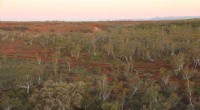
* Erosion: Wind and water erosion of soil, rocks, and deserts are major contributors. This is particularly prominent in arid and semi-arid regions.
* Volcanic eruptions: Ash and fine particles released during volcanic activity can travel long distances and contribute significantly to atmospheric dust.
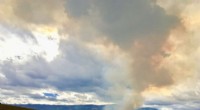
* Wildfires: Burning vegetation releases smoke and ash, which can contain significant amounts of dust.
* Sea Spray: The ocean's waves churn up salt and other particles that get carried by the wind, forming a component of dust.
* Biological sources: Pollen, fungal spores, and organic matter from decaying plants and animals can also contribute to dust.
Human-Generated Sources:
* Construction and Demolition: Dust is generated from the breakdown of materials, excavation, and other construction activities.
* Agriculture: Tilling, harvesting, and transportation of crops can release dust into the atmosphere.
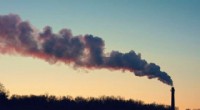
* Industrial processes: Manufacturing, mining, and other industrial activities can produce significant amounts of dust, particularly in the form of particulate matter.
* Transportation: Vehicles, especially those on unpaved roads, kick up dust.
* Household activities: Vacuuming, sweeping, and other household chores release dust particles into the air.
Other factors influencing dust:
* Wind speed and direction: Strong winds can pick up and transport dust over long distances.
* Climate and weather patterns: Dry climates and drought conditions enhance dust production, while precipitation can help settle dust.
* Geography and topography: Desert areas, exposed soils, and areas with little vegetation contribute significantly to dust generation.
Impacts of Dust:
Dust can have significant impacts on:
* Human health: Fine dust particles can penetrate deep into the lungs, causing respiratory problems and cardiovascular disease.
* Climate: Dust can affect atmospheric temperature, precipitation, and cloud formation.
* Ecosystems: Dust deposition can alter soil properties, affect plant growth, and contribute to water quality issues.
* Visibility: Dust can reduce visibility, impacting transportation and aviation.
Understanding the sources of dust is crucial for addressing its impacts and mitigating its effects. This knowledge can help inform public health policies, environmental management practices, and sustainable development strategies.