1. Human Activities:
* Deforestation: Cutting down forests for timber, agriculture, and urbanization destroys the homes of countless species.
* Urbanization: Building cities and towns encroaches on natural habitats, fragmenting them and forcing wildlife to compete for shrinking resources.
* Agriculture: Clearing land for farming and ranching reduces the amount of available space for wild animals and plants.
* Pollution: Air, water, and soil pollution can harm wildlife and make habitats uninhabitable.
2. Climate Change:
* Rising sea levels: Coastal habitats are threatened by rising sea levels, flooding, and saltwater intrusion.
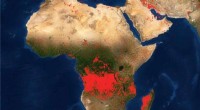
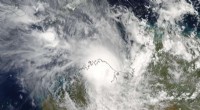
* Changing weather patterns: Extreme weather events like droughts, floods, and wildfires can damage habitats and make them less suitable for wildlife.
3. Natural Processes:
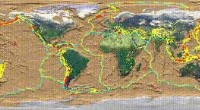
* Natural disasters: Earthquakes, volcanic eruptions, and wildfires can destroy habitats.
* Disease: Outbreaks of disease can decimate populations and reduce habitat availability.
Consequences of Shrinking Habitats:
* Loss of biodiversity: When habitats shrink, species lose their homes and are more vulnerable to extinction.
* Reduced food availability: Fewer habitats mean less food and water for wildlife.
* Increased conflict with humans: As wildlife populations are squeezed into smaller areas, they are more likely to come into conflict with humans.
* Disrupted ecosystem services: Habitats provide essential services like clean water, pollination, and pest control. When habitats are destroyed, these services are also lost.
What can we do?
* Reduce our impact: Conserve energy and water, use less plastic, and choose sustainable products.
* Support conservation efforts: Donate to organizations working to protect wildlife and habitats.
* Educate others: Raise awareness about the importance of habitats and the threats they face.
* Promote sustainable land use: Support policies that protect natural areas and promote responsible development.
By understanding the causes and consequences of shrinking habitats, we can work together to protect these essential ecosystems and ensure the survival of countless species.