Life in Ice:
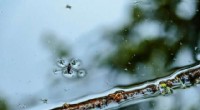
* Algae: Some algae species, particularly diatoms, can live within the ice itself. They use pigments to capture sunlight for photosynthesis, even in the dim light conditions of the ice. These algae are crucial for supporting the food web in polar regions.
* Bacteria: Bacteria are found in both the interior and exterior of ice. Some bacteria are extremophiles, meaning they can tolerate freezing temperatures and high salinity. They play vital roles in breaking down organic matter and recycling nutrients.
* Fungi: Some fungi can survive in ice, though their role is less well understood. They may help decompose organic matter and contribute to nutrient cycling.
Life on Ice:
* Microorganisms: A variety of bacteria, fungi, and algae can colonize the surface of ice. These communities are particularly important in snow and sea ice, where they influence the overall ecosystem.
* Larger Organisms: Certain organisms, like sea anemones, starfish, and sea urchins, can attach themselves to ice and use it as a platform. However, their presence depends on the specific ice type and environmental conditions.
Key factors influencing life in/on ice:
* Sunlight: The availability of sunlight is crucial for photosynthesis and supports algae populations, which form the basis of many ice ecosystems.
* Temperature: Ice-dwelling organisms have adapted to survive in frigid temperatures, often relying on antifreeze proteins to prevent their cells from freezing.
* Salinity: The salt content in ice can vary, and some organisms are more tolerant than others.
* Nutrients: Organic matter and nutrients trapped in ice can provide food sources for organisms.
In summary: While ice may appear lifeless, a surprising diversity of life can thrive in and on it, playing important roles in polar ecosystems and influencing the global climate.