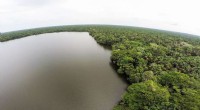
Freshwater:
* Lakes and ponds: These are often enclosed bodies of water with limited water flow, making them susceptible to nutrient buildup.
* Rivers and streams: Especially those with slow-moving water or agricultural runoff.
* Reservoirs and drinking water sources: These can be impacted by human activity and agricultural runoff.
Saltwater:
* Coastal areas: These are prone to algal blooms due to nutrient-rich runoff from rivers and agricultural fields.
* Estuaries: These are where freshwater and saltwater mix, creating a nutrient-rich environment.
* Open ocean: Algal blooms can also occur in the open ocean, often driven by upwelling events that bring nutrients from the deep ocean.
Factors contributing to algal blooms:
* Nutrient pollution: Runoff from agriculture, sewage, and industrial activities introduce excess nutrients like nitrogen and phosphorus into water bodies.
* Warm water temperatures: Warmer water temperatures accelerate the growth of algae.
* Sunlight: Algae need sunlight to grow.
* Calm water conditions: Calm water allows algae to concentrate and grow more easily.
It's important to note that while algae blooms can be beautiful and even beneficial in small amounts, they can also have serious negative consequences for the environment and human health.
Consequences of algal blooms:
* Oxygen depletion: When algae die, they decompose and consume oxygen from the water, creating a hypoxic or anoxic environment that can kill fish and other aquatic life.
* Harmful toxins: Some algae produce toxins that can harm humans, pets, and other animals.
* Economic damage: Algal blooms can impact tourism, fishing, and drinking water supplies.
Prevention and mitigation strategies:
* Reduce nutrient pollution: Implement best management practices in agriculture, reduce sewage overflows, and promote sustainable land use.
* Manage water temperatures: Consider strategies for reducing heat buildup in water bodies.
* Control invasive species: Some invasive species can contribute to algal blooms.
* Monitor water quality: Regular monitoring can help detect early signs of algal blooms and allow for timely interventions.