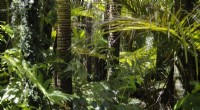
* Diversity = Resilience: A diverse forest ecosystem creates a web of interactions. This means:
* Disease Resistance: Different tree species have different levels of susceptibility to diseases. If one species gets hit hard, others may be relatively unaffected.
* Pest Control: A variety of insects and other organisms naturally control pests. A monoculture (one tree type) can create an ideal breeding ground for pests that can decimate the entire forest.
* Nutrient Cycling: Different tree species draw nutrients from the soil in different ways, making the forest more resilient to nutrient depletion.
* Monoculture = Vulnerability: A forest of only one tree type is like a single target. If a disease or pest finds its way in, it can quickly spread and wipe out the entire forest.
Examples:
* American Chestnut blight: This fungal disease nearly wiped out the American chestnut, a dominant tree species in eastern forests.
* Dutch Elm Disease: This fungus, spread by beetles, devastated elm populations in North America and Europe.
In conclusion: Biodiversity in forests is crucial for their long-term survival. A diverse forest is much better equipped to withstand the challenges of disease, pests, and environmental changes.