Mangroves are fascinating trees that have adapted to the harsh conditions of tidal environments. They rely on various strategies to disperse their seeds and establish new colonies, ensuring their survival and expansion. Here's a breakdown of the main dispersal methods:
1. Seed Dispersal:
* Water Dispersal: This is the primary method. Mangrove seeds, often called propagules, are buoyant and equipped with features like air pockets or a fleshy outer layer. They are dispersed by tides and ocean currents, travelling sometimes for long distances.
* Animal Dispersal: Some mangrove species rely on animals, mainly birds, to disperse their seeds. Fruits and seeds are consumed by birds, which later excrete the viable seeds in new locations.
* Tidal Dispersal: The rise and fall of tides play a significant role. Propagules can be deposited in new areas during high tide and become embedded in the sediment when the water recedes.
2. Seedling Establishment:
* Salt Tolerance: Mangrove seedlings have developed unique mechanisms to tolerate high salt levels. They can filter out salt from their water intake and store it in specific tissues.
* Oxygen Availability: Mangrove roots are adapted to survive in oxygen-poor soil. They develop pneumatophores, specialized roots that grow upwards and emerge above the waterline, allowing them to take in oxygen from the air.
* Rapid Growth: Mangrove seedlings grow quickly, allowing them to outcompete other plants for resources.
3. Seedling Development:
* Vivipary: Some mangrove species exhibit vivipary, where seeds germinate while still attached to the parent tree. The seedling develops a root system while still on the tree, making it more robust when it drops into the water.
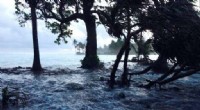
* Prop Roots: These specialized roots, often called stilt roots, grow out from the trunk and branches, providing additional support in the soft, muddy soil. They also enhance the tree's ability to cope with strong currents.
* Salt Exclusion: Mangroves are able to filter out salt from the water they absorb, allowing them to survive in salty environments.
Challenges to Dispersal:
* Human Activities: Coastal development, pollution, and deforestation can disrupt mangrove dispersal patterns and reduce their ability to colonize new areas.
* Climate Change: Rising sea levels and increased storm frequency can also negatively impact mangrove dispersal and survival.
Conservation Efforts:
* Protecting Existing Mangrove Forests: Preserving existing mangrove forests ensures their continued role as a vital ecosystem service provider.
* Reforestation: Planting new mangrove trees in degraded areas can help restore their populations and enhance coastal resilience.
* Raising Awareness: Educating the public about the importance of mangroves and promoting sustainable practices can help protect these vital ecosystems.
In conclusion, mangrove dispersal is a complex process influenced by both natural and human factors. Understanding these mechanisms is essential for conservation efforts aimed at maintaining the ecological integrity and resilience of these vital coastal ecosystems.