Here's a breakdown of what extinction means:
* Permanent loss: When a species goes extinct, it means that no individuals of that species exist anywhere in the world.
* No reproduction: Extinction occurs when a species is unable to reproduce successfully and create new generations.
* Natural vs. human-caused: While extinction is a natural part of evolution, human activities are now the primary driver of extinctions.
Factors contributing to extinction include:
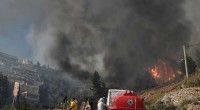
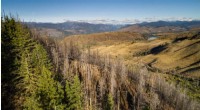
* Habitat loss and degradation: Destruction of natural habitats due to deforestation, urbanization, and agriculture.
* Climate change: Changes in temperature, precipitation, and weather patterns are affecting species' ability to survive.
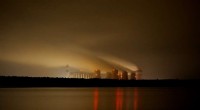
* Pollution: Contamination of air, water, and soil can harm species and their ecosystems.
* Overexploitation: Overfishing, hunting, and poaching can drive species to extinction.
* Invasive species: Introduction of non-native species can disrupt ecosystems and outcompete native species.
Consequences of extinction:
* Loss of biodiversity: Each species plays a role in its ecosystem, and extinction can disrupt the delicate balance of nature.
* Ecosystem collapse: Loss of key species can have cascading effects on entire ecosystems.
* Loss of potential resources: Extinct species may hold valuable resources like medicine, food, or genetic information.
It's crucial to understand the concept of extinction and its causes to address the ongoing biodiversity crisis and protect endangered species.