1. Physical Landscape:
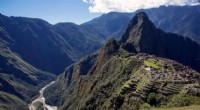
This refers to a landscape that is physically conducive to adventure activities. This could include:
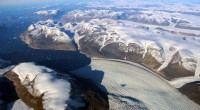
* Mountains: Offering hiking, climbing, skiing, and mountaineering opportunities.
* Forests: Providing trails for hiking, backpacking, mountain biking, and camping.
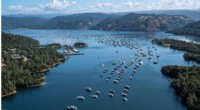
* Waterways: Perfect for kayaking, canoeing, white-water rafting, and sailing.
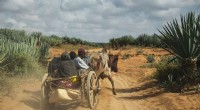
* Deserts: Ideal for off-roading, trekking, and exploring unique geological formations.
* Caves: Offering spelunking and underground exploration opportunities.
2. Themed Landscape:
This refers to a landscape that is designed specifically for adventure activities. It could be:
* Theme Parks: Featuring thrilling rides, interactive attractions, and immersive environments.
* Adventure Parks: Offering zip-lining, ropes courses, climbing walls, and other challenge-based activities.
* Escape Rooms: Providing puzzle-solving experiences and immersive storytelling.
* Historical Sites: Offering exploration, learning, and a sense of adventure through history.
3. Metaphorical Landscape:
This refers to the emotional and psychological landscape of an adventure story. It involves:
* Obstacles: Challenges that the protagonist must overcome, pushing them to grow and learn.
* Risks: The dangers and uncertainties faced by the protagonist, creating tension and suspense.
* Rewards: The triumphs and discoveries made by the protagonist, fulfilling their goals and leaving them changed.
Ultimately, the specific meaning of "adventure landscape" depends on the context. It could refer to a physical location, a designed environment, or a metaphorical concept.
To understand the meaning best, it's helpful to consider the broader context of the discussion or the media being discussed.