Based on Physical Characteristics:
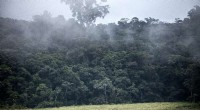
* Terrestrial: Land environments like forests, deserts, grasslands, mountains, and polar regions.
* Aquatic: Water environments like oceans, lakes, rivers, and wetlands.
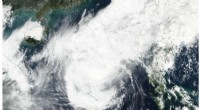
* Aerial: Air environments, primarily inhabited by flying organisms like birds and insects.
Based on Biotic Factors:
* Biomes: Large-scale ecosystems characterized by distinct climates and plant communities. Examples include tropical rainforests, deserts, tundras, and grasslands.
* Habitats: Smaller, more specific environments within biomes that provide resources and shelter for particular species. Examples include coral reefs, caves, and deciduous forests.
Other Important Considerations:
* Temperature: Organisms have specific temperature ranges they can tolerate.
* Sunlight: Many organisms rely on sunlight for energy through photosynthesis.
* Water Availability: Water is essential for life.
* Nutrient Availability: Organisms need nutrients like nitrogen, phosphorus, and carbon.
* pH: The acidity or alkalinity of the environment can influence the survival of organisms.
* Pressure: Pressure can be a factor in aquatic environments, especially at great depths.
* Salt Concentration: Organisms in saltwater environments must be adapted to high salt concentrations.
Examples of Organisms and their Environments:
* Fish: Aquatic (oceans, lakes, rivers)
* Trees: Terrestrial (forests)
* Cacti: Terrestrial (deserts)
* Birds: Aerial (air)
* Bacteria: All environments, including the human body
* Coral: Aquatic (coral reefs)
It's important to remember that many organisms can exist in more than one environment. For example, some birds migrate between terrestrial and aquatic habitats. The specific conditions within an environment greatly influence which organisms can live there.