Immediate Impacts:
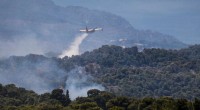
* Destruction: The most immediate impact is the destruction of vegetation. Fires consume trees, shrubs, grasses, and other plant life, leaving behind a charred landscape. This loss of habitat can displace or kill animals that depend on these plants for food, shelter, and breeding grounds.
* Air Quality: Wildfires release smoke and particulate matter into the atmosphere, leading to poor air quality. This can harm human health and wildlife, especially those with respiratory issues.
* Soil Changes: Intense heat from a fire can alter soil properties. It can destroy organic matter, reduce water infiltration, and expose the soil to erosion.
Long-Term Impacts:
* Regeneration: While destructive, fires also play a crucial role in the regeneration of ecosystems. Many plant species have evolved to withstand or even thrive in the aftermath of fire. Seeds may be released by the heat, and charred ground can create favorable conditions for germination.
* Species Diversity: The mosaic of burned and unburned areas created by fire can increase habitat diversity. This can benefit a wider variety of plant and animal species, leading to greater biodiversity.
* Nutrient Cycling: Fire releases nutrients from burned vegetation and organic matter into the soil. These nutrients can boost plant growth and create a more fertile environment.
* Succession: Wildfires kickstart a process called ecological succession. This is the gradual change in plant and animal communities over time as the habitat recovers. The type of vegetation that emerges after a fire depends on factors like the intensity of the fire, the soil conditions, and the surrounding landscape.
The impact of a wildfire on a specific habitat depends on several factors, including:
* Fire Intensity: High-intensity fires cause more significant damage and lead to slower recovery.
* Fire Frequency: Frequent fires can alter the plant community by favoring fire-adapted species.
* Climate and Topography: The impact of fire is influenced by factors like rainfall, temperature, and elevation.
In conclusion, wildfires are a natural part of many ecosystems, playing a complex and often beneficial role in shaping landscapes and maintaining biodiversity. Understanding their impacts is essential for managing fire regimes and preserving healthy ecosystems.