Here are some key regions where you can find montane vegetation:
* The Andes Mountains: A vast mountain range in South America, known for its diverse montane forests, including cloud forests.
* The Himalayas: The highest mountain range in the world, home to a range of montane vegetation types from temperate forests to alpine meadows.
* The Rocky Mountains: A major mountain range in North America, featuring montane forests, subalpine forests, and alpine tundra.
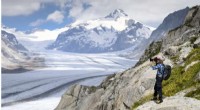
* The Alps: A mountain range in Europe, with montane forests of conifers and deciduous trees.
* The Appalachian Mountains: A mountain range in eastern North America, supporting montane forests with a mix of hardwoods and conifers.
* The Ethiopian Highlands: A high plateau in Africa, known for its unique montane forests and diverse endemic species.
Factors affecting montane vegetation:
* Altitude: As altitude increases, temperature decreases, affecting the types of plants that can survive.
* Latitude: Montane vegetation types can vary depending on the latitude, with tropical montane forests differing from those in temperate regions.
* Rainfall: Montane forests can be affected by rainfall patterns, with wetter regions supporting more lush vegetation.
* Soil conditions: The type of soil in mountainous regions can influence the types of plants that can grow.
Overall, montane vegetation is a fascinating and diverse biome, adapted to the challenging conditions of mountainous environments.