1. Tree Species and their Climate Preferences:
* Specific species: Different tree species have evolved to thrive in specific climates. For instance, a palm tree fossil indicates a tropical or subtropical climate. A conifer fossil might suggest a cooler, temperate climate. By identifying the species, scientists can infer the general climate conditions of the time.
* Tree Rings: The width and density of annual tree rings, visible in many fossilized tree trunks, reflect the amount of rainfall and temperature fluctuations during the tree's lifetime. Wider rings indicate favorable growing conditions, while narrower rings suggest harsher periods.
2. Fossil Leaf Morphology:
* Shape and Size: Leaf shape and size are influenced by climate. Broad, thin leaves are common in humid, tropical climates, while smaller, thicker leaves are found in drier or colder regions.
* Stomata Density: Stomata are tiny pores on leaves that regulate gas exchange. Their density and distribution can provide clues about atmospheric CO2 levels and humidity.
3. Geographic Distribution of Fossils:
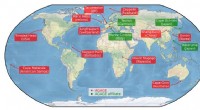
* Fossil distribution: The location and distribution of tree fossils can provide insights into past vegetation zones and their shifts over time. For example, finding fossil palm trees in regions currently dominated by temperate forests might indicate a past shift in climate.
4. Paleoclimate Modeling:
* Data Input: Fossil evidence is incorporated into climate models to simulate past climates and understand their evolution. The data from tree fossils can help refine model parameters and improve the accuracy of paleoclimate reconstruction.
In summary:
Tree fossils, by providing clues about species, ring patterns, leaf morphology, and geographic distribution, offer invaluable insights into past climate conditions, including temperature, rainfall, humidity, and even atmospheric CO2 levels. This information helps scientists understand how climates have changed over time and the factors that might have driven those changes, providing valuable context for current climate change discussions.