Living Components:
* The Pronghorn Itself: This is the primary living component, a fascinating mammal known for its speed and unique features.
* The Pronghorn's Microbiome: A vast population of bacteria, fungi, and other microorganisms live within the pronghorn's digestive system, aiding in digestion and overall health.
* Plants: Pronghorns are herbivores and rely on grasses, shrubs, and other plants for their diet. These plants are living organisms.
* Predators: Pronghorns are prey animals, and their environment includes living predators such as wolves, coyotes, and mountain lions.
* Parasites: Like many animals, pronghorns can be affected by parasites, which are living organisms that benefit from the relationship while harming the pronghorn.
Nonliving Components:
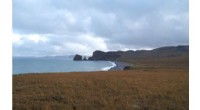
* Habitat: Pronghorns require specific environments, like grasslands and open plains, to survive. These habitats are made up of nonliving elements such as soil, rocks, and water.
* Sunlight: Pronghorns, like all living things, need sunlight for energy. Sunlight is a nonliving component of their environment.
* Air: Pronghorns need air to breathe, and air is a mixture of gases, primarily nitrogen and oxygen.
* Water: Pronghorns need water to drink, and water is a nonliving substance essential for their survival.
* Weather: Pronghorns are affected by weather patterns such as temperature, precipitation, and wind, which are all nonliving components of their environment.
Important Note: While we can separate living and nonliving components, it's crucial to remember that these elements are all interconnected. The pronghorn's survival depends on a complex web of interactions with both living and nonliving components of its environment.