The Environment is the Driving Force
Darwin's theory of evolution by natural selection hinges on the interplay between organisms and their environment. Here's how:
1. Variation: Within any population of organisms, there's natural variation. Individuals will have slightly different traits. This variation is often due to genetic differences.
2. Environmental Pressure: The environment presents challenges and opportunities. This includes factors like:
* Food availability: What resources are available?
* Climate: Temperature, rainfall, etc.
* Predators: Are there predators that hunt this species?
* Disease: Are there diseases that can spread through the population?
3. Survival and Reproduction: Some variations in traits make individuals better suited to their environment. These individuals are more likely to:
* Survive: They are better able to find food, avoid predators, or resist disease.
* Reproduce: They have a greater chance of producing offspring.
4. Passing on Traits: The offspring inherit the traits that made their parents more successful.
5. Evolution Over Time: Over generations, the traits that are beneficial in a particular environment become more common in the population. This is how species adapt to their environment.
In short:
* The environment "selects" the traits that are most beneficial. This is why it's called "natural selection."
* The environment is not static. It changes over time, which means that the traits that are advantageous can also change.
* Evolution is a continuous process. It's not about reaching a perfect state; it's about constantly adapting to the ever-changing environment.
Example:
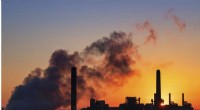
Think about the peppered moth. In pre-industrial England, most moths were light-colored, which helped them blend in with the lichen on trees. But during the Industrial Revolution, pollution blackened the trees. The dark moths were now better camouflaged, and they were less likely to be eaten by birds. Over time, the population shifted to have more dark moths, demonstrating how the environment can drive the evolution of a species.