* "Organisms" is broad: It could mean plants, animals, bacteria, fungi, viruses, or anything else alive.
* "Fewest" is relative: Even in the harshest environments, there are likely some forms of life.
* Places vary greatly: The number of organisms depends on factors like:
* Climate: Very hot, cold, dry, or wet climates can limit life.
* Altitude: High altitudes have less oxygen and lower temperatures.
* Depth: Deep ocean trenches have extreme pressure and little light.
* Pollution: Highly polluted areas can be inhospitable.
Here are some examples of places that are often considered to have low numbers of organisms:
* Deep-sea hydrothermal vents: These extreme environments have very high temperatures and pressure, but some specialized organisms can survive.
* The Dead Sea: High salt concentration makes it difficult for most organisms to live.
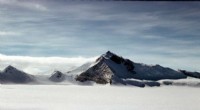
* The top of Mount Everest: Extremely cold temperatures, low oxygen, and harsh winds make it difficult for most life to exist.
* The middle of the Sahara Desert: Extremely arid and hot conditions make survival challenging.
Ultimately, the place with the fewest organisms would depend on the specific definition of "organism" and the specific criteria used to define "fewest".