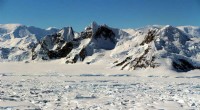
Climate and landforms are fundamental factors shaping tourism destinations and their offerings. Here's how they influence the tourism products:
Climate:
* Weather and Activities: Climate directly impacts the types of activities tourists can engage in. Warm, sunny climates attract beachgoers, water sports enthusiasts, and outdoor adventurers. Cool, snowy climates attract skiers, snowboarders, and winter sports lovers.
* Seasonal Tourism: Climate dictates seasonality in tourism. Destinations with favorable weather year-round experience more consistent tourism, while those with distinct seasons see peaks and troughs in visitor numbers.
* Comfort and Safety: Extreme temperatures, heavy rainfall, or frequent storms can deter tourists. Destinations need to offer ways to mitigate these factors, such as air-conditioned facilities, indoor activities, or warning systems.
* Growing Season and Agriculture: Climate influences agricultural production, impacting local food offerings, winemaking, and agricultural tourism experiences.
Landforms:
* Scenery and Aesthetics: Landforms create stunning landscapes that attract tourists seeking breathtaking views, unique geological formations, and outdoor adventure. Mountains, valleys, coastlines, and deserts all offer distinct experiences.
* Accessibility and Infrastructure: Landform features can influence transportation infrastructure, creating opportunities for hiking, biking, kayaking, or requiring advanced infrastructure for access.
* Cultural and Historical Significance: Landforms are often intertwined with cultural history and traditions, offering unique tourism experiences. Ancient ruins, archaeological sites, and sacred places are often located in specific landscapes.
* Natural Resources: Landforms contain natural resources like mineral springs, caves, waterfalls, and hot springs, which can be developed into spas, resorts, or adventure tourism activities.
Examples:
* Tropical Islands: Warm, sunny weather, beautiful beaches, and coral reefs attract tourists seeking relaxation and water sports.
* Mountain Resorts: Snowy winters attract skiers and snowboarders, while summer offers hiking, biking, and scenic views.
* Desert Landscapes: Unique geological formations, diverse wildlife, and cultural heritage attract tourists seeking adventure and exploration.
* Coastal Areas: Diverse marine life, fishing opportunities, and dramatic coastlines attract tourists interested in water sports, nature watching, and coastal relaxation.
Challenges:
* Climate Change: Climate change poses significant challenges for tourism, impacting weather patterns, altering landscapes, and threatening ecosystems. Destinations need to adapt to these changes.
* Environmental Impact: Tourism can have a significant impact on fragile ecosystems. Sustainable tourism practices are crucial to minimize the negative effects of tourism on landforms and climate.
Conclusion:
Climate and landforms are vital components of tourism. They influence the types of experiences available, the seasonality of tourism, and the overall attractiveness of destinations. Understanding these factors is essential for developing sustainable tourism products that are both enjoyable for visitors and respectful of the environment.