1. Shifting Ranges and Distributions:
* Temperature and Precipitation Changes: Rising temperatures and altered precipitation patterns can push plant species beyond their optimal growing conditions, forcing them to migrate to cooler, more suitable areas.
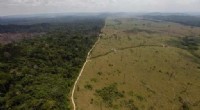
* Habitat Fragmentation: As climate shifts, suitable habitats become smaller and fragmented, isolating plant populations and hindering their ability to adapt or disperse.
2. Increased Stress and Mortality:
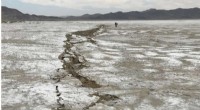
* Droughts and Water Stress: Droughts become more frequent and intense, leading to water scarcity and increased plant mortality, particularly for species adapted to wetter climates.
* Heat Stress and Wildfires: Higher temperatures can cause heat stress and increase the risk of wildfires, which can wipe out entire plant communities.
* Invasive Species: Climate change can create opportunities for invasive species to thrive, outcompeting native plants and altering ecosystems.
3. Altered Interactions and Competition:
* Pollinator Decline: Climate change affects pollinator populations, impacting plant reproduction and potentially leading to declines in certain species.
* Shifting Phenology: Plants' timing of flowering, fruiting, and other seasonal events can be disrupted by changing temperatures, leading to mismatches between plants and their pollinators or herbivores.
* Increased Competition: Changing climate can alter competitive dynamics between plant species, favoring some while disadvantaging others.
4. Reduced Genetic Diversity:
* Smaller Populations: Climate change can reduce plant populations, leading to lower genetic diversity and making them more vulnerable to disease, pests, and environmental fluctuations.
Consequences of Plant Diversity Loss:
* Ecosystem Services: Plant diversity is crucial for ecosystem services like carbon sequestration, water filtration, and soil stability. Its decline weakens these services, impacting human well-being.
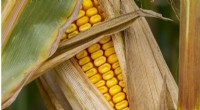
* Food Security: Loss of plant diversity threatens food security by reducing the variety of crops available and making them more susceptible to pests and diseases.
* Medicinal Resources: Many medicinal plants are threatened by climate change, potentially reducing access to vital remedies.
Mitigation and Adaptation:
* Conservation Efforts: Protecting existing plant diversity through habitat restoration, conservation areas, and seed banking.
* Climate-Smart Agriculture: Adopting agricultural practices that are resilient to climate change and promote biodiversity.
* Policy and Regulation: Implementing policies that reduce greenhouse gas emissions and promote sustainable land use.
Understanding and addressing the impacts of climate change on plant diversity is crucial for maintaining healthy ecosystems, ensuring food security, and preserving the planet's biodiversity.