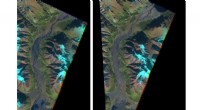
The Earth's surface is a dynamic and ever-changing canvas, shaped by the relentless interplay of internal and external forces. Understanding these forces is crucial to appreciating the diversity of landforms we see around us.
External Forces: These forces originate from outside the Earth's crust and are primarily driven by solar energy. They are destructive in nature, wearing down existing landforms through processes like weathering and erosion.
* Weathering: The breakdown of rocks and minerals at the Earth's surface due to various agents like:
* Physical weathering: Freezing/thawing, abrasion, and thermal expansion/contraction.
* Chemical weathering: Acid rain, oxidation, and hydrolysis.
* Biological weathering: Plant roots, burrowing animals, and lichens.
* Erosion: The transportation of weathered material by:
* Wind: Forms sand dunes, loess deposits, and wind-carved landforms like hoodoos.
* Water: Carves canyons, valleys, and river deltas, and transports sediment.
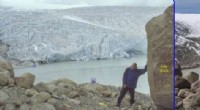
* Ice (Glaciers): Creates U-shaped valleys, cirques, and moraines.
* Gravity: Causes landslides, rockfalls, and soil creep.
Internal Forces: These forces originate within the Earth's interior and are driven by heat and pressure. They are constructive in nature, building up new landforms through processes like tectonic plate movement and volcanism.
* Tectonic Plate Movement: The movement of the Earth's lithospheric plates, driven by convection currents in the mantle, leads to:
* Mountain building (orogeny): Collision of plates forms fold mountains like the Himalayas, while subduction zones create volcanic arcs and trenches.
* Earthquakes: Sudden release of energy along fault lines, causing ground shaking and potential tsunamis.
* Volcanism: Molten rock (magma) rises from the mantle and erupts on the surface, forming volcanoes, volcanic plateaus, and calderas.
Comparison and Contrast:
| Feature | External Forces | Internal Forces |
|-----------------------|-------------------------|-----------------------|
| Origin | Outside the Earth's crust | Inside the Earth's crust|
| Energy Source | Solar Energy | Heat and pressure |
| Nature of Action | Destructive | Constructive |
| Examples | Weathering, Erosion | Plate tectonics, Volcanism |
| Impact on Landforms | Breaks down existing landforms | Creates new landforms |
| Relationship | Often work in tandem | Can be counteracting or complementary |
In Conclusion:
External and internal forces work in concert, constantly shaping the Earth's surface. External forces wear down existing landforms, while internal forces build them up. The interplay of these forces over millions of years has created the diverse and captivating landscapes we see today.