Living Things:
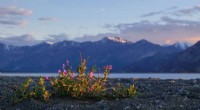
* Plants: Trees, flowers, grasses, bushes - all of these use carbon dioxide from the air to create their structures through photosynthesis.
* Animals: From insects to birds to mammals, animals are made up of carbon-based molecules like proteins, fats, and carbohydrates.
* Fungi and bacteria: These tiny life forms are crucial to the carbon cycle, breaking down dead organic matter and releasing carbon back into the environment.
Non-living Things:
* Soil: Soil is full of decomposing organic matter (dead plants and animals) that release carbon as they break down. It also contains carbon in the form of minerals.
* Rocks and Minerals: While not as obvious, rocks and minerals can contain carbon. For example, limestone is formed from the skeletons of marine creatures, which contain carbon.
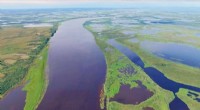
* Water: Carbon dioxide dissolves in water, and this carbon can be incorporated into marine life.
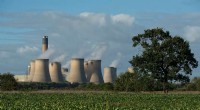
* Air: The atmosphere contains carbon dioxide, which is a vital greenhouse gas.
Other Examples:
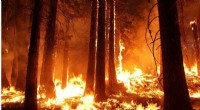
* Wood: Trees are primarily composed of carbon, and wood is a major source of carbon.
* Fossil Fuels: Coal, oil, and natural gas are formed from the remains of ancient plants and animals over millions of years. They are rich in carbon.
In short, carbon is a fundamental building block of life and is present in virtually every element of the outdoor environment.