Direct Impacts:
* Loss of land: Erosion removes topsoil, which is essential for agriculture and building foundations. This leads to land degradation and decreased productivity, making it difficult to grow crops or build structures.
* Sedimentation in waterways: Eroded soil gets washed into rivers, lakes, and oceans, causing sedimentation. This can disrupt aquatic ecosystems, clog waterways, and reduce water quality.
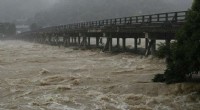
* Flooding: Erosion can change the shape and flow of rivers, leading to increased flooding. This can damage homes and infrastructure, displace communities, and pose health risks.
* Soil contamination: Erosion can expose underlying bedrock or layers of soil that may contain harmful substances. This can contaminate water supplies and pose health risks.
* Landslides: Eroded slopes become unstable, increasing the risk of landslides. This can destroy homes, infrastructure, and even cause fatalities.
Indirect Impacts:
* Economic hardship: Erosion can lead to decreased agricultural production, damage to infrastructure, and increased costs for water treatment and flood mitigation. This can create economic hardship for individuals and communities.
* Health risks: Eroded soil can contain pollutants and pathogens that can contaminate water supplies and food sources. This can lead to increased health risks, including gastrointestinal illnesses.
* Displacement: Erosion can force people to relocate due to the loss of land, homes, or livelihoods. This can lead to social and economic disruption.
* Environmental degradation: Erosion can disrupt natural ecosystems, leading to loss of biodiversity and habitat destruction. This can have cascading effects on the environment and human well-being.
Adaptation and Mitigation:
* Sustainable land management: Practices such as terracing, contour farming, and cover cropping can help prevent erosion and protect topsoil.
* Reforestation: Planting trees can help stabilize slopes and reduce erosion.
* Water management: Proper water management practices, such as irrigation and drainage systems, can minimize erosion caused by water runoff.
* Flood control: Building dams, levees, and other flood control structures can help mitigate the impacts of erosion-related flooding.
In summary, erosion has significant negative consequences for living conditions. By understanding the causes and effects of erosion, we can implement sustainable practices and mitigation strategies to minimize its impact and protect our environment.