Surface Water:
* Runoff: Rain and snowmelt carry pollutants from land into waterways, traveling downstream. This can include:
* Agricultural runoff: Pesticides, fertilizers, animal waste.
* Industrial runoff: Chemicals, heavy metals, oil.
* Urban runoff: Oil, grease, debris, road salt.
* Sewage overflow: Untreated human waste.
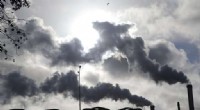
* Atmospheric deposition: Pollutants released into the air can travel long distances and settle into water bodies, including:
* Acid rain: Sulfur dioxide and nitrogen oxides from power plants and industrial processes react in the atmosphere to form acidic rain, damaging ecosystems and contaminating lakes and rivers.
* Heavy metals: Released from industrial processes, these can travel through the atmosphere and deposit into water bodies, affecting aquatic life and potentially human health.
* Ocean currents: Pollution from coastal areas and rivers can be carried by ocean currents to faraway locations, impacting marine life and ecosystems.
Groundwater:
* Leaking underground storage tanks: Chemicals and fuels can leak from underground storage tanks, contaminating groundwater that may flow for miles.
* Landfills: Leachate from landfills can seep into groundwater, carrying a variety of pollutants.
* Agricultural practices: Overuse of fertilizers and pesticides can seep into groundwater, contaminating it and potentially impacting drinking water supplies.
* Fractured bedrock: Pollutants can travel through fractured bedrock, spreading contamination over long distances.
Long-distance impacts:
* Eutrophication: Nutrient pollution from agricultural runoff can travel long distances and lead to eutrophication in lakes and coastal areas, resulting in algal blooms, oxygen depletion, and fish kills.
* Biomagnification: Persistent pollutants like mercury and PCBs can biomagnify as they move up the food chain, accumulating in higher concentrations in larger fish and affecting human health.
* Drinking water contamination: Groundwater contamination from distant sources can lead to contamination of drinking water supplies, posing health risks to communities.
Examples:
* The Mississippi River: Pollution from agricultural runoff and industrial discharges in the Midwest travels downstream, impacting the Gulf of Mexico with eutrophication and a "dead zone" with low oxygen levels.
* The Great Lakes: Industrial pollution from the 19th and 20th centuries continues to affect the Great Lakes, leading to fish advisories and contamination of drinking water supplies.
* The Arctic: Persistent organic pollutants (POPs) released in the southern hemisphere have traveled through the atmosphere and accumulated in Arctic wildlife and ice, impacting the ecosystem and Indigenous communities.
Understanding the ways pollution can travel long distances is crucial for addressing water quality issues and protecting human health and the environment. Addressing pollution at its source and implementing sustainable practices are essential for preventing further contamination and ensuring clean water for all.