Essential Parts:
* Roots: Roots are crucial for absorbing water and nutrients from the soil. Without roots, a plant cannot survive.
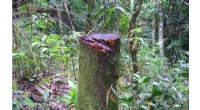
* Stem: The stem provides support, transports water and nutrients, and often holds the leaves and flowers. Removing the entire stem would likely kill the plant, though some plants can regenerate from the roots.
* Leaves: Leaves are responsible for photosynthesis, the process of converting sunlight into energy. While a plant can survive for a short time without leaves, it won't be able to produce food and will eventually die.
Less Essential Parts:
* Flowers: Flowers are involved in reproduction. Removing a flower might prevent the plant from producing seeds, but it won't immediately kill the plant.
* Fruits: Fruits are developed from flowers and contain seeds. Removing fruits won't affect the plant's survival, although it may prevent it from spreading its seeds.
Other Factors:
* The type of plant: Different species have different tolerances. Some plants can survive with minor damage, while others are very sensitive.
* The extent of the damage: If only a small part of a plant is damaged, it might be able to recover. However, extensive damage could lead to the plant's death.
* The environment: A plant's ability to survive also depends on factors like temperature, water availability, and the presence of pests.
In general:
* Plants need their roots, stems, and leaves to survive.
* Damage to flowers or fruits won't necessarily kill a plant.
* The plant's species, the extent of the damage, and the environmental conditions all play a role in its survival.
Let me know if you have a specific part of a plant in mind, and I can provide more detailed information.