Deciduous woodlands, with their vibrant seasonal changes, are heavily influenced by several abiotic factors:
1. Temperature:
* Seasonal variation: Deciduous trees have adapted to endure cold winters and hot summers. The changing temperatures trigger leaf drop in autumn and bud break in spring.
* Winter dormancy: Low temperatures force many animals to hibernate, while others migrate to warmer regions.
* Growing season: Temperature influences the length of the growing season, impacting plant growth and overall productivity.
2. Precipitation:
* Rainfall patterns: Deciduous woodlands typically receive moderate rainfall, distributed throughout the year.
* Drought: Periods of drought can stress trees and other plants, making them more vulnerable to disease and pests.
* Water availability: Access to water is crucial for plant growth, affecting species distribution and abundance.
3. Sunlight:
* Canopy closure: Deciduous trees create a dense canopy in summer, limiting light penetration to the forest floor. This shapes the understory plant community, favoring shade-tolerant species.
* Light availability: Light availability influences photosynthesis and growth rates, impacting species composition.
* Seasonal variation: Light availability varies throughout the year, influencing the timing of plant growth and flowering.
4. Soil:
* Soil type: The type of soil (e.g., clay, loam, sandy) affects nutrient availability and water retention, influencing plant growth and species distribution.
* Nutrient content: Deciduous forests tend to have fertile soils due to leaf litter decomposition, providing essential nutrients for plants.
* pH: Soil pH can influence the availability of nutrients and the growth of specific plant species.
5. Altitude:
* Elevation: Higher altitudes are generally colder with shorter growing seasons, impacting plant species composition.
* Slope aspect: South-facing slopes receive more sunlight and are generally warmer, supporting different species compared to north-facing slopes.
6. Fire:
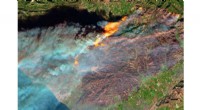
* Natural disturbance: In some deciduous woodlands, fire is a natural disturbance that can clear understory vegetation and promote regeneration.
* Fire suppression: Fire suppression can lead to a build-up of fuel and an increase in the risk of severe wildfires.
7. Wind:
* Wind exposure: Wind can damage trees and influence their growth patterns.
* Wind dispersal: Wind plays a role in seed dispersal, affecting the distribution of plants.
Interactions and Feedbacks:
These abiotic factors interact with each other in complex ways, influencing the overall structure and function of the deciduous woodland community. For example, temperature and precipitation patterns directly affect soil moisture, impacting plant growth. Changes in one abiotic factor can cascade through the system, altering other factors and influencing the community.
Understanding the interplay of these abiotic factors is crucial for:
* Conservation efforts: Protecting and managing deciduous woodlands requires knowledge of their environmental tolerances and sensitivities.
* Forest management: Sustainable forest management practices must consider the impact of abiotic factors on forest health and productivity.
* Predicting future changes: Understanding the effects of climate change on abiotic factors is essential for predicting the future of deciduous woodlands.