Climate:
* Temperature: Affects the growth and distribution of plants and animals. Different species have different temperature tolerances, influencing their ability to survive and thrive in certain regions.
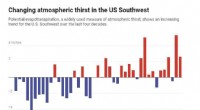
* Precipitation: Drives the availability of water, influencing the types of plants that can grow and the animals that depend on them.
* Sunlight: Provides energy for photosynthesis in plants, forming the base of the food chain and supporting all life within an ecosystem.
* Wind: Influences the dispersal of seeds, pollen, and spores, contributing to the spread of plant life. Wind patterns can also affect the climate of a region.
Geology:
* Topography: The shape of the land, including elevation and slope, influences the distribution of sunlight, precipitation, and soil types.
* Soil: Provides nutrients and support for plant growth, and the type of soil present dictates which plants and animals can thrive in a given area.
* Rock formations: Can influence the local climate and water flow, affecting the ecosystem.
Biotic Factors:
* Species Interactions: Competition for resources, predation, and mutualistic relationships among species all influence the structure and dynamics of an ecosystem.
* Disease: Outbreaks of diseases can impact populations, altering the balance of an ecosystem.
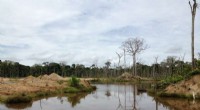
* Human Activity: Human activities like deforestation, pollution, and habitat destruction can have significant negative impacts on ecosystems.
Other Factors:
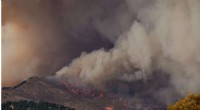
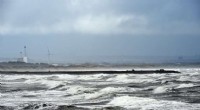
* Natural Disasters: Events like wildfires, floods, and volcanic eruptions can cause large-scale disturbances, impacting the composition and structure of ecosystems.
* Evolution: Through natural selection, species adapt to changing environmental conditions over time, influencing the evolution of other species and the overall ecosystem.
Examples of Natural Factors Affecting Ecosystems:
* Deserts: Dry and arid climates limit plant growth, leading to specialized ecosystems with unique adaptations.
* Rainforests: High rainfall and humidity create ideal conditions for a diverse and abundant ecosystem.
* Coral Reefs: Dependence on sunlight, clear water, and specific water temperatures make coral reefs vulnerable to changes in climate and pollution.
* Forests: Climate, topography, and soil type influence the types of trees that grow, affecting the animal communities that inhabit the forest.
Understanding the complex interplay of natural factors in shaping ecosystems is crucial for conservation efforts, managing natural resources, and mitigating the impacts of climate change and other human-induced pressures.