Here's a breakdown:
* Pioneer Species: The first species to colonize a barren or disturbed habitat. They are hardy and can survive in harsh conditions. Examples include lichens, mosses, and certain grasses.
* Intermediate Species: These species replace the pioneer species as the environment changes. They are often more complex than pioneer species and contribute to further soil development and nutrient cycling. Examples include shrubs, small trees, and various insects.
* Climax Community: This is the final, stable stage of ecological succession. It is characterized by a diverse and complex ecosystem with a high degree of biodiversity. The specific species in a climax community depend on the climate and geographic location.
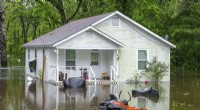
This process of ecological succession, where one community replaces another, continues until a relatively stable climax community is reached. It's important to note that disturbances like fires, floods, or human activities can disrupt this process and reset the succession back to earlier stages.