Weather:
* Heat: High temperatures dry out vegetation, making it more susceptible to ignition.
* Drought: Lack of rainfall leads to dry conditions, increasing the risk of wildfires.
* Wind: Strong winds can spread flames rapidly and make it difficult to contain fires.
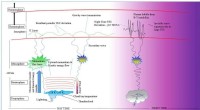
* Lightning: Lightning strikes can ignite dry vegetation, especially during thunderstorms.
Geologic:
* Volcanic Activity: Volcanic eruptions can create hot spots that ignite dry vegetation.
* Earthquakes: Earthquakes can create landslides that expose dry vegetation, making it more susceptible to fire.
Human:
* Arson: Deliberately set fires are a significant cause of wildfires.
* Negligence: Careless handling of campfires, fireworks, and machinery can spark fires.
* Land Management Practices: Uncontrolled burning, logging, and other activities can create conditions that increase the risk of wildfire.
* Climate Change: Climate change is contributing to warmer temperatures, longer droughts, and more extreme weather events, making wildfires more frequent and intense.
It's important to note that:
* Most wildfires are human-caused, either intentionally or through negligence.
* Wildfires are a natural part of many ecosystems, but they can become destructive when they exceed natural levels.
* Understanding the causes of wildfires is essential for developing effective prevention and management strategies.
To understand the specific cause of a particular wildfire, you need to investigate the circumstances surrounding that fire.