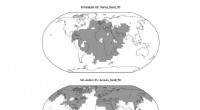
Here's a breakdown:
General Trends:
* Temperature: Hawks can tolerate a wide range of temperatures, from the frigid Arctic to hot deserts. However, they generally prefer temperate climates with moderate temperatures.
* Precipitation: Hawks are adaptable to varying levels of precipitation, but they tend to thrive in areas with moderate rainfall.
* Habitat: Hawks need areas with good hunting grounds. This could be forests, grasslands, wetlands, deserts, or even urban areas.
Specific Examples:
* Northern Goshawk: Found in boreal forests of North America and Eurasia, they are adapted to cold, snowy climates.
* Red-tailed Hawk: Common throughout North America, they are found in a wide range of habitats, including forests, grasslands, and urban areas.
* Ferruginous Hawk: Lives in grasslands of the Great Plains, tolerating hot, dry conditions.
* Cooper's Hawk: Found in forests throughout North America, they prefer areas with moderate temperatures and precipitation.
Key factors influencing hawk distribution:
* Food availability: Hawks are predatory birds, and their distribution is heavily influenced by the presence of suitable prey.
* Nesting sites: Hawks require safe and secure locations for nesting, such as tall trees, cliffs, or abandoned buildings.
* Human influence: Human activities, such as habitat loss and pollution, can have a significant impact on hawk populations.
In summary:
Hawks are a diverse group of birds that can adapt to a wide range of climates. However, they generally prefer temperate climates with moderate rainfall, access to good hunting grounds, and secure nesting sites.