Environmental Resources:
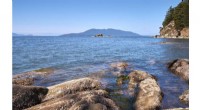
* Food and water: The availability of food sources, whether through hunting, fishing, gathering, or agriculture, is crucial for survival. This is especially true in pre-industrial societies.
* Shelter and materials: Climate, terrain, and natural resources influence the type of shelter and materials available for construction.
* Natural resources: Access to resources like wood, stone, metal, and water are essential for various cultural activities, from toolmaking to trade.
Climate and Topography:
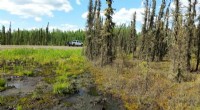
* Favorable climate: Climate plays a significant role in determining where people can live comfortably. Temperature, rainfall, and humidity all impact human health and well-being.
* Accessibility and transportation: Mountains, rivers, deserts, and coastlines can act as barriers or facilitate travel and communication, influencing settlement patterns.
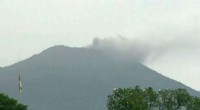
* Natural hazards: Areas prone to natural disasters like earthquakes, floods, or volcanic eruptions often see lower population density.
Cultural and Historical Factors:
* Tradition and heritage: Groups often settle in areas where their ancestors lived, maintaining cultural practices and traditions linked to the land.
* Migration and displacement: Forced migrations due to war, famine, or persecution can lead to settlement in new environments.
* Trade and communication: Strategic locations along trade routes or near communication hubs can attract settlements, promoting economic and cultural exchange.
Social and Political Factors:
* Political structures and governance: The presence of strong leadership, organized societies, and effective resource management can influence settlement patterns.
* Conflict and competition: Competition for resources or territory can drive settlement in specific areas, leading to territorial claims and boundaries.
* Religious beliefs and practices: Religious beliefs and practices can influence settlement choices, leading to the creation of sacred sites and religious centers.
It's important to note that these factors are often intertwined and that the specific reasons for settlement vary greatly depending on the time period, cultural context, and specific environment. Understanding the complex interplay of these factors provides a more nuanced view of why cultural groups settle in specific physical environments.