Geological Impacts:
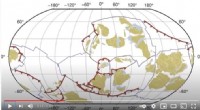
* Mountain Formation: The most dramatic impact is the creation of mountains. When tectonic plates collide, the denser plate subducts (sinks) under the less dense plate. This process pushes up the crust, forming mountains.
* Volcanic Activity: The same tectonic forces that create mountains can also lead to volcanic activity. As the subducting plate melts, magma rises and can erupt through the surface, forming volcanoes.
* Earthquakes: When tectonic plates shift and cause the ground to rise, they can also trigger earthquakes.
* Changes in Drainage: Rising ground can alter drainage patterns, creating new rivers and lakes or changing the course of existing ones.
Environmental Impacts:
* Biodiversity: Rising ground can create new habitats for plants and animals, leading to increased biodiversity.
* Climate Change: The rising ground can change local climate patterns, leading to changes in precipitation, temperature, and wind patterns.
* Erosion: Rising ground can lead to increased erosion as steep slopes are formed.
* Habitat Loss: Rising ground can displace animals and destroy habitats.
Human Impacts:
* Infrastructure: Rising ground can damage roads, bridges, and buildings.
* Agriculture: Changes in drainage patterns can impact agricultural productivity.
* Human Settlements: Rising ground can make areas more difficult or impossible to inhabit.
Specific Examples:
* The Himalayas: The Himalayas are the world's highest mountain range, formed by the collision of the Indian and Eurasian tectonic plates.
* The Andes Mountains: These mountains are formed by the subduction of the Nazca Plate under the South American Plate.
* The Great Rift Valley: This geological feature is formed by the separation of tectonic plates, causing the ground to rise and form a series of valleys.
Important Note: The specific impacts of rising ground depend on many factors, including the scale of the rise, the rate of the rise, and the local geography and geology.