Natural resources are materials or substances occurring in nature that are valuable to humans. They are the essential elements that underpin our lives, providing everything from the food we eat to the energy we use. Here's a breakdown:
Types of Natural Resources:
* Renewable resources: These resources replenish themselves naturally over a relatively short period. Examples include:
* Solar energy: Energy derived from the sun.
* Wind energy: Energy harnessed from wind power.
* Hydropower: Energy generated from moving water.
* Biomass: Organic matter used as fuel.
* Forest: Trees, which can be replanted and harvested sustainably.
* Water: Water cycles naturally through evaporation, precipitation, and runoff.
* Non-renewable resources: These resources are finite and take a very long time to form. Once depleted, they are essentially gone. Examples include:
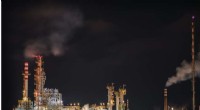
* Fossil fuels: Coal, oil, and natural gas formed from ancient organic matter over millions of years.
* Minerals: Metals like gold, iron, and copper, and non-metals like diamond and granite.
* Nuclear fuels: Uranium used in nuclear power plants.
Importance of Natural Resources:
* Essential for survival: We need food, water, and shelter, all of which are derived from natural resources.
* Fueling industries: Natural resources drive industries like mining, agriculture, and manufacturing.
* Economic development: Many countries rely heavily on the export of natural resources for economic growth.
* Supporting ecosystems: Natural resources play a critical role in maintaining healthy ecosystems.
Challenges with Natural Resources:
* Overexploitation: Unsustainable use can lead to depletion and resource scarcity.
* Environmental degradation: Extraction and use of resources can cause pollution and habitat destruction.
* Climate change: Burning fossil fuels contributes to climate change, impacting resource availability and creating new challenges.
* Distribution inequities: Access to natural resources is often uneven, leading to social and economic disparities.
Sustainable Management:
* Conserving resources: Using resources wisely and reducing consumption.
* Recycling and reuse: Extending the lifespan of resources and minimizing waste.
* Developing renewable alternatives: Transitioning to sustainable energy sources.
* Promoting equitable access: Ensuring fair distribution and benefiting all communities.
Natural resources are essential for human well-being and economic prosperity. By understanding their importance and managing them sustainably, we can ensure that future generations have access to the resources they need to thrive.