Carolinian Forest:
* Deciduous Trees: This region is part of the Carolinian Forest, which is known for its rich biodiversity. Common trees include:
* Sugar maple: One of the most prominent trees in the area, providing vibrant fall foliage.
* American beech: Another common species, with smooth, gray bark.
* Red oak: Known for its reddish-brown leaves in the fall.
* White oak: A large, long-lived oak species.
* Eastern hemlock: A coniferous tree that grows in moist areas.
* American elm: Once abundant, but now threatened by Dutch elm disease.
* Understory Vegetation:
* Shrubs: Viburnum, dogwood, and spicebush provide colorful berries and flowers.
* Wildflowers: Trilliums, violets, and spring ephemerals carpet the forest floor in the spring.
* Ferns: Adding to the lush understory.
Near the Falls:
* Riverbank Vegetation:
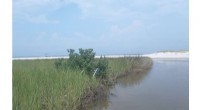
* Willows: Adaptable trees found along the riverbanks.
* Cattails: Tall, marsh plants that thrive in wet areas.
* Reed canary grass: A common grass species found in wetlands.
* Island Vegetation:
* Goat Island: Located in the middle of the American Falls, it features a variety of trees and shrubs, including oaks, maples, and rhododendrons.
* Luna Island: A smaller island close to the falls, also with a diverse mix of vegetation.
Factors Influencing Vegetation:
* Water: The constant spray from the falls creates a unique microclimate, with high humidity and mist.
* Soil: The soil is rich in nutrients due to the constant deposition of sediment from the Niagara River.
* Climate: The region experiences a humid continental climate with warm summers and cold winters.
Impact of Tourism:
* Foot Traffic: The heavy foot traffic in popular tourist areas can impact the vegetation.
* Erosion: The constant flow of water and the force of the falls can cause erosion, impacting the plant life along the riverbanks.
* Pollution: Air and water pollution from tourism can also affect the vegetation.
Conservation Efforts:
* Niagara Parks Commission: Works to protect and preserve the natural beauty of the Niagara Falls region, including its vegetation.
* Restoration Programs: Efforts are underway to restore native vegetation to areas that have been impacted by tourism.
Overall, the vegetation around Niagara Falls is a testament to the resilience of nature in the face of the powerful forces of the falls. With ongoing conservation efforts, this diverse ecosystem will continue to thrive for generations to come.